What it is
Popcorn is basically Beli for movies and TV.
I wanted a place where I could see what my friends were watching, and especially what they were enjoying, because there was a good chance I would enjoy it too. I would never have heard of many of my favorite shows without that kind of organic referral. And it is fun to give your takes or comment on your friends’ takes, just like my friends and I already do on Beli for restaurants.
Letterboxd was not really the model I wanted. It is obviously a good product, but it feels more built around people who are deeply into film as a hobby. That was not what I was trying to make. I wanted something more casual and more social. You should be able to use it even if you are not a movie person per se. You should just be able to have your favorites, see what your friends are into, and get good recommendations, even if it is Love Island.
Why I built it
Beli was a huge inspiration. My friends and I use it, and I think they got a lot right. The ranking system forces you to make some tough decisions, but at the end of the day everything gets a 0-10 score and you end up with a real ranked list of your favorite restaurants, bars, etc., not a never-ending pile of 4-star reviews with no real distinction between them. Socially, it works too. You see where your friends went, you compare lists, and you end up wanting to try places because people you trust liked them. I kept thinking the same thing should exist for movies and TV. I remember talking with my friend Aaron about that around December 2023. I even messed around with FlutterFlow + Supabase that year thinking this was something I could just knock out in a no/low-code way. Wrong.
The reason I built it when I did is pretty simple: AI coding tools made it possible.
Before that, the idea probably would not have come to fruition unless I dropped everything and committed myself entirely to it. Once Claude Code came out, I pretty immediately felt like, oh, I can actually do this now. So I started messing around. I was not expecting that much from it at first, but it kept being good enough to keep going. Once Claude Code showed up, the project stopped feeling hypothetical. Honestly, I felt like Bradley Cooper after taking the Limitless pill, which I am sure fellow non-technical folks can relate to.
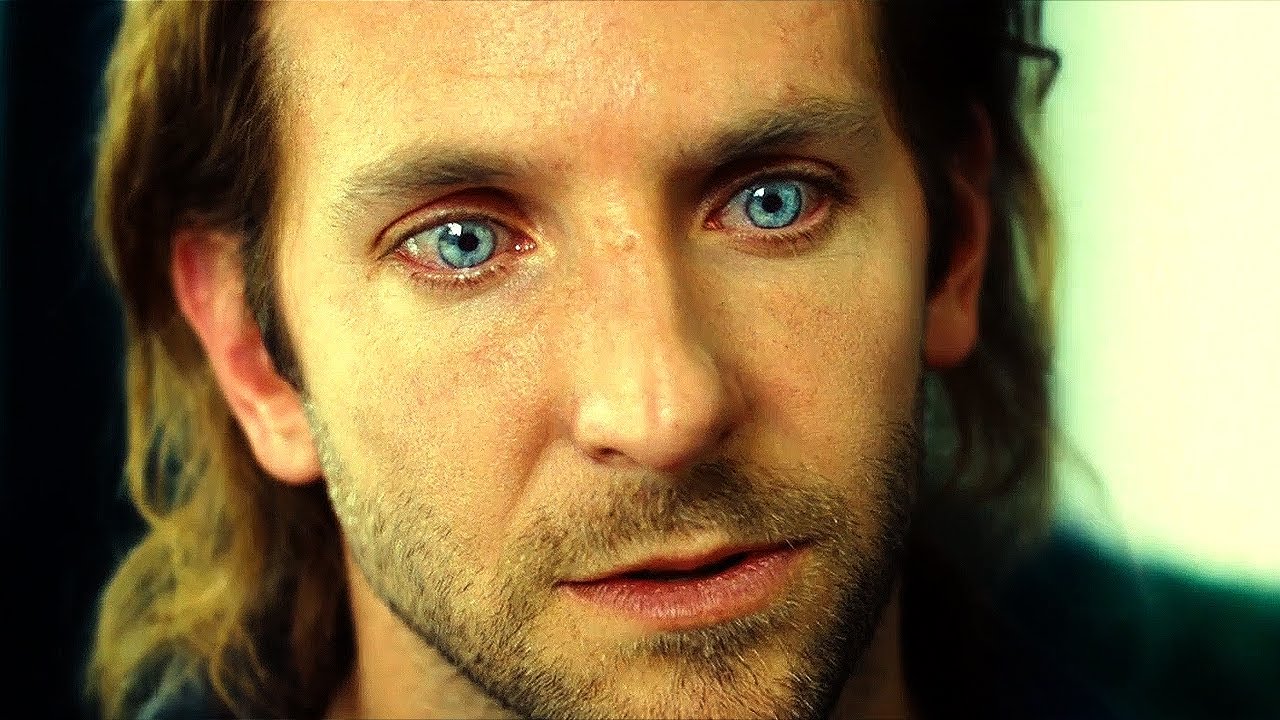
Side note: the downside of the Limitless pill is how addictive it is. The same is true for these AI coding tools. One quick change and then I am done has led to countless sessions that went into the wee hours of the night.
Popcorn also became one of the main ways I tested new models. If something new came out, one of the first things I wanted to know was how well it handled a real feature or bug in Popcorn. That was a lot more useful to me than reading benchmark discourse. It gave me a much better feel for what these tools were actually good at. It also turned me into a Codex stan, at least as of early 2026. Things are changing fast.
How I built it
The stack changed a lot as I went. I started with a Swift app, then realized pretty quickly that was the wrong move if I wanted any path to Android. So I switched to React Native and Expo earlier rather than later. I also started on Firebase, then eventually decided I really did not like working in a document-based database for this kind of app. So I did a full migration to Supabase, which felt much more intuitive and easier to manage.
I knew I needed to nail the ranking system because that was what I loved about Beli: the comparisons and the 0-10 rank computation. So that is where a lot of my time went early on. Edge cases and regressions taught me that unit tests, pre-push hooks, and a staging DB are my friends.
The hard parts were both technical and not technical. Backend bugs were brutal at times. I still have nightmares about builds failing, scoring edge cases, and the feed screen not loading. Starting with a mobile app instead of a web app for my first real end-to-end build was definitely hard mode. But design, polish, branding, and taste were hard too. AI can help a lot with implementation, but I do not think it has reliable taste. A lot of the work was knowing when not to accept what it gave me, and getting better at recognizing when something that looked like a bug was really an architecture problem.
Timeline
- December 2023: Started talking about the idea as Beli for movies and TV.
- May 2025: First repo and early build.
- Summer 2025: React Native, Expo, Firebase, and a lot of ranking system work.
- Fall 2025: Sanity break.
- January 2026: New repo, Supabase migration, and stabilization push.
- March 2026: App Store launch.
Launch
It launched on the App Store around March 27, 2026.
“The last 10% it takes to launch something takes as much energy as the first 90%.” I found that Rob Kalin quote to be true. The final stretch was a lot of production cleanup, edge cases, polish, and accepting that there is a difference between improving something and hiding behind improvement as a reason not to launch it.
It is still the same basic idea I wanted from the start: a fun, social way to keep up with what your friends are watching, get recommendations from people you actually know, and keep your own rankings and favorites without needing to take movies all that seriously.